

 Facebook
 X
X
 Pinterest
 Copy Link
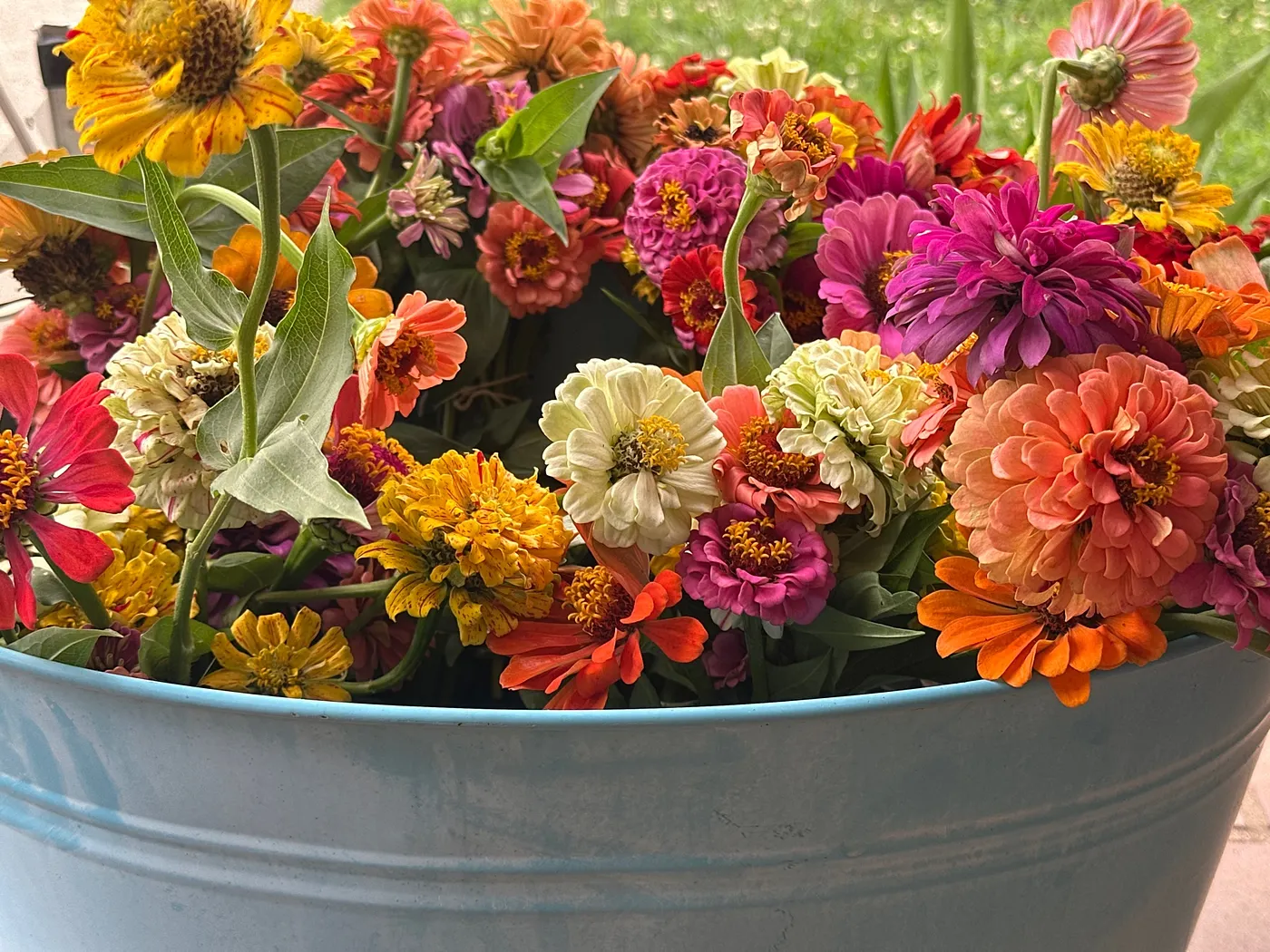 There’s something special about a garden filled with bright, cheerful zinnias. They’re colorful, easy to grow, wonderful for cutting, and a favorite stopping place for butterflies and pollinators. Even better? With a little planning at the end of the season, you can harvest seeds from your zinnias and enjoy them for years to come.
At Meyer Group Team, we love sharing ideas that make a house feel a little more like home. Whether you have acres of space, a backyard flower bed, or just a sunny spot beside the porch, zinnias are an easy way to bring color and life to your outdoor space.
Why We Love Zinnias
Zinnias are annual flowers, meaning an individual plant completes its life cycle in one growing season. But that doesn’t mean you have to start from scratch every year!
These sun-loving flowers come in an incredible variety of colors, sizes, and shapes. Depending on the variety, you’ll find shades of pink, red, orange, yellow, purple, white, and even multicolored blooms.
They’re also relatively easy to grow. Give them plenty of sunshine, well-drained soil, and regular watering, and they can reward you with blooms throughout the summer and into the fall.
One of our favorite things about zinnias is the life they bring to a yard. Bees and butterflies frequently visit the blooms, making a patch of zinnias both beautiful and beneficial.
How to Grow Zinnias
Choose a location that receives at least 6 — 8 hours of direct sunlight each day. Once the danger of frost has passed and the soil has warmed, zinnia seeds can be planted directly into the garden.
Plant according to the spacing recommendations for your particular variety and keep the soil moist while the seeds germinate. Once established, water at the base of the plants when possible rather than soaking the leaves.
To encourage more flowers, regularly remove spent blooms during the growing season. This process, known as deadheading, encourages the plant to continue producing flowers instead of putting all of its energy into seed production.
But toward the end of the season, stop deadheading a few of your favorite plants.
Those are the flowers you’ll use for next year’s seeds!
How to Harvest Zinnia Seeds
Saving zinnia seeds is one of those simple garden projects that can become a yearly tradition.
First, choose several healthy plants with flowers you especially love. Keep in mind that seeds from hybrid or cross-pollinated zinnias may not produce flowers identical to the parent plant — and sometimes that surprise is part of the fun.
Allow several blooms to remain on the plant after they have finished flowering. Instead of cutting them off, let the flower heads turn brown and become completely dry.
Once they’re dry, cut the flower heads from the plant and bring them inside.
Gently pull the dried flower head apart with your fingers. Near the base of the dried petals, you’ll find the seeds. Mature zinnia seeds are typically firm and often arrowhead- or spear-shaped.
Separate the seeds from the dried petals and plant material.
Dry Them Before Storing
Before putting your seeds away, make sure they’re completely dry.
Spread the seeds in a single layer on a paper plate, screen, or other dry surface in a well-ventilated location. Allow them to finish drying before storing them. Any remaining moisture can encourage mold and ruin your seeds.
Store Your Seeds for Next Spring
Once completely dry, place the seeds in a labeled paper envelope or seed packet.
Be sure to write down:
- The variety or color, if known
- Where you collected them
- The year they were harvested
Keep the seeds somewhere cool, dark, and dry until you’re ready to plant again.
For longer storage, an airtight container can help protect thoroughly dried seeds from humidity. Just make sure the seeds are completely dry before sealing them away.
Create a Garden That Grows With Your Home
There’s something rewarding about walking through your yard next summer and seeing flowers grown from seeds you collected yourself.
You can even turn it into a tradition — save seeds from your favorite blooms, trade them with neighbors and friends, or package a few to give away.
Gardening is one of the many little things that transforms a property into a place filled with memories. From planting your first flower bed to finding a home with enough room for the garden you’ve always dreamed about, home is about so much more than four walls.

